The History of St Andrew’s Church, Landford
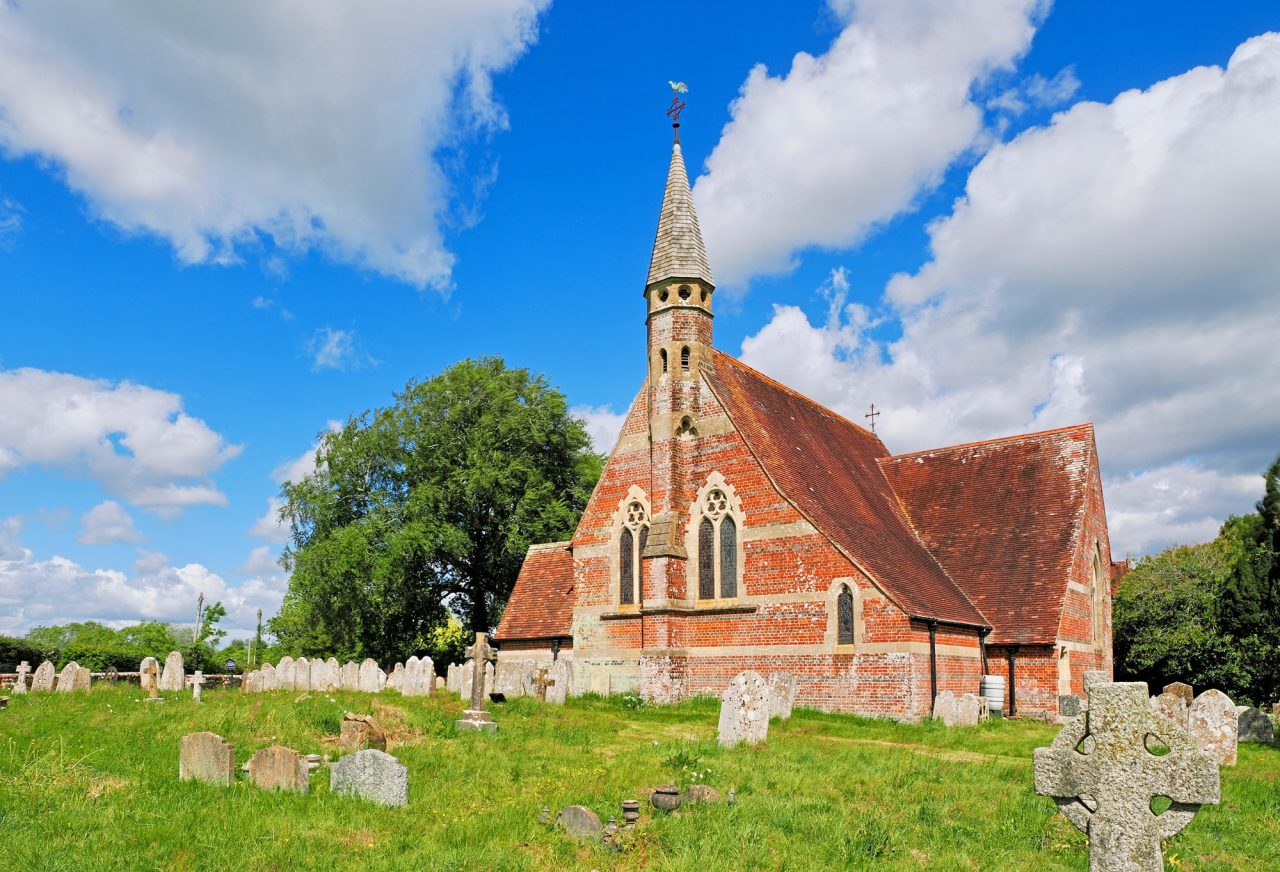
For more than a thousand years, St Andrew’s Church has stood at the heart of Landford. It is the village’s most important historic building and has long been a focus for worship, community and local life.
Today, the church continues to serve the village while preserving a remarkable story that stretches back to Saxon times.
A Thousand Years of History
There is evidence of a Saxon settlement in Landford, and Christian worship has taken place on the site of St Andrew’s for over 1,000 years.
Landford itself is an ancient community and is recorded in medieval documents dating from the time of the Magna Carta. Through centuries of change, the church has remained at the centre of village life, witnessing countless baptisms, marriages, funerals and community gatherings.
Few places in Landford have such a deep connection with the area’s history.
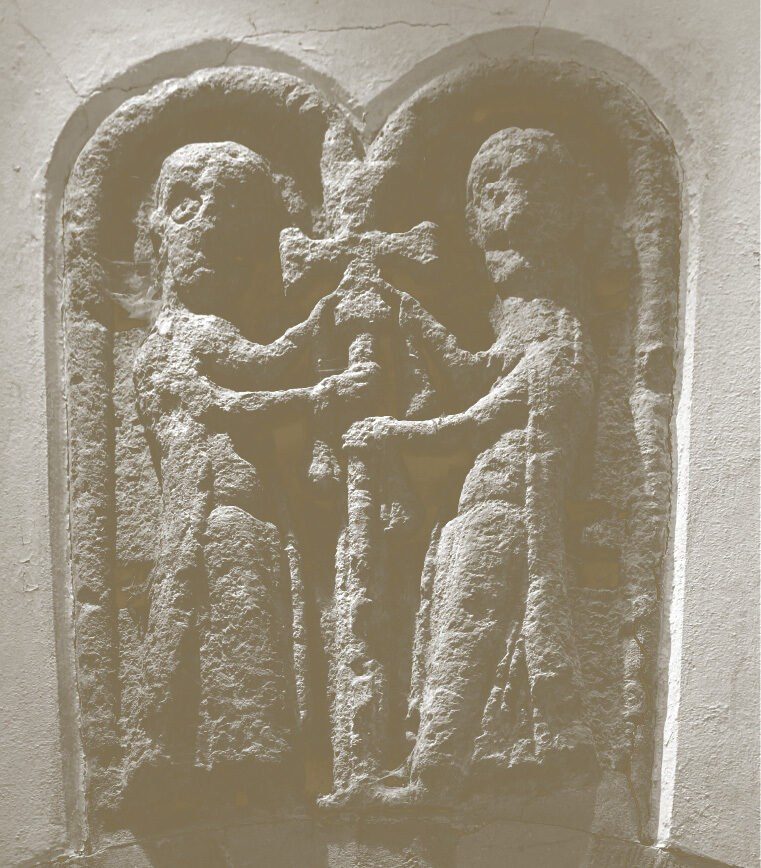
Before the present church was built, an earlier Saxon church stood on this site.
During the construction of the current building in 1858, a remarkable stone relief was discovered within the foundations. Rather than being lost or removed, the carving was incorporated into the new church, where it can still be seen today above the main entrance.
The relief depicts St Constantine and St Helena and provides a tangible connection with the earlier church and the generations of worshippers who gathered here long before the Victorian rebuilding.
A Victorian Masterpiece
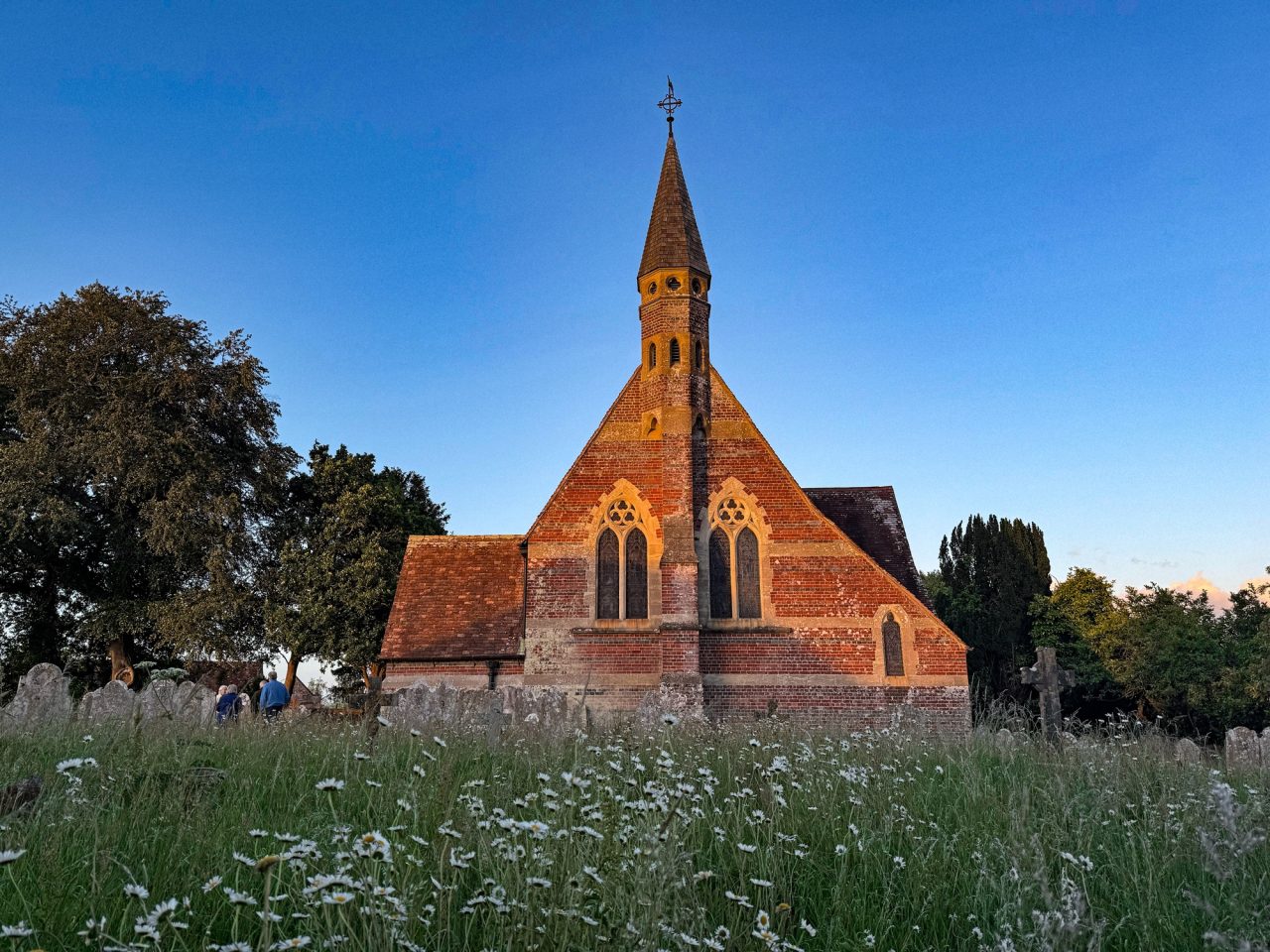
The present church was designed in 1858 by the renowned Gothic Revival architect William Butterfield, one of the most celebrated church architects of the Victorian era.
Butterfield is perhaps best known for his masterpiece, All Saints, Margaret Street in London, and for his distinctive use of colour, craftsmanship and bold Gothic forms. His churches were designed to be both beautiful and enduring, and St Andrew’s is a fine example of his work.
Today, St Andrew’s is a Grade II* listed building, recognising its exceptional architectural and historic importance.
The Nelson and Eyre Families

The rebuilding of St Andrew’s was made possible largely through the generosity of Lady Frances Elizabeth Nelson, née Eyre of Landford, wife of the 2nd Earl Nelson.
Lady Nelson owned Landford Manor and provided most of the funds required for the rebuilding of the church in 1858.
The Earldom of Nelson was created following the death of Vice-Admiral Horatio Nelson at the Battle of Trafalgar in 1805. His elder brother inherited the title and became the 1st Earl Nelson, establishing a connection between one of Britain’s greatest naval heroes and the village of Landford.
The Eyre family also had deep roots in the parish. Henry Eyre served as Rector of St Andrew’s from 1788 to 1798, and several memorials to members of the family can still be found in the South Transept.
At the Heart of the Community
For centuries, St Andrew’s has been far more than a place of worship.
The church has been a centre of village life, bringing people together in times of celebration and remembrance. It remains a place where people come to worship, reflect, attend concerts and events, and enjoy the peace of the churchyard.
Its tower and spire are familiar landmarks and an enduring symbol of Landford itself.
Preserving St Andrew’s for the Future
Historic buildings require constant care, and preserving a church of this importance is a responsibility shared by the whole community.
Friends of St Andrew’s exists to help ensure that this remarkable building can continue to serve future generations. Through fundraising, volunteering and restoration projects, we are helping to safeguard one of Landford’s greatest treasures.
By preserving St Andrew’s, we are not simply protecting a building. We are caring for over a thousand years of history and ensuring that this special place continues to stand at the heart of the community for centuries to come.